



 Home
 News & Press
Unlocking Gastric Health: What PGI, PGII, and G-17 Really Tell Us


Unlocking Gastric Health: What PGI, PGII, and G-17 Really Tell Us
 2026.11.09
Non-invasive “serological biopsy” is transforming how we screen for gastric diseases. But to interpret these results accurately, we need to understand the physiological origins of these key biomarkers.
Here is a quick clinical breakdown of the core markers:
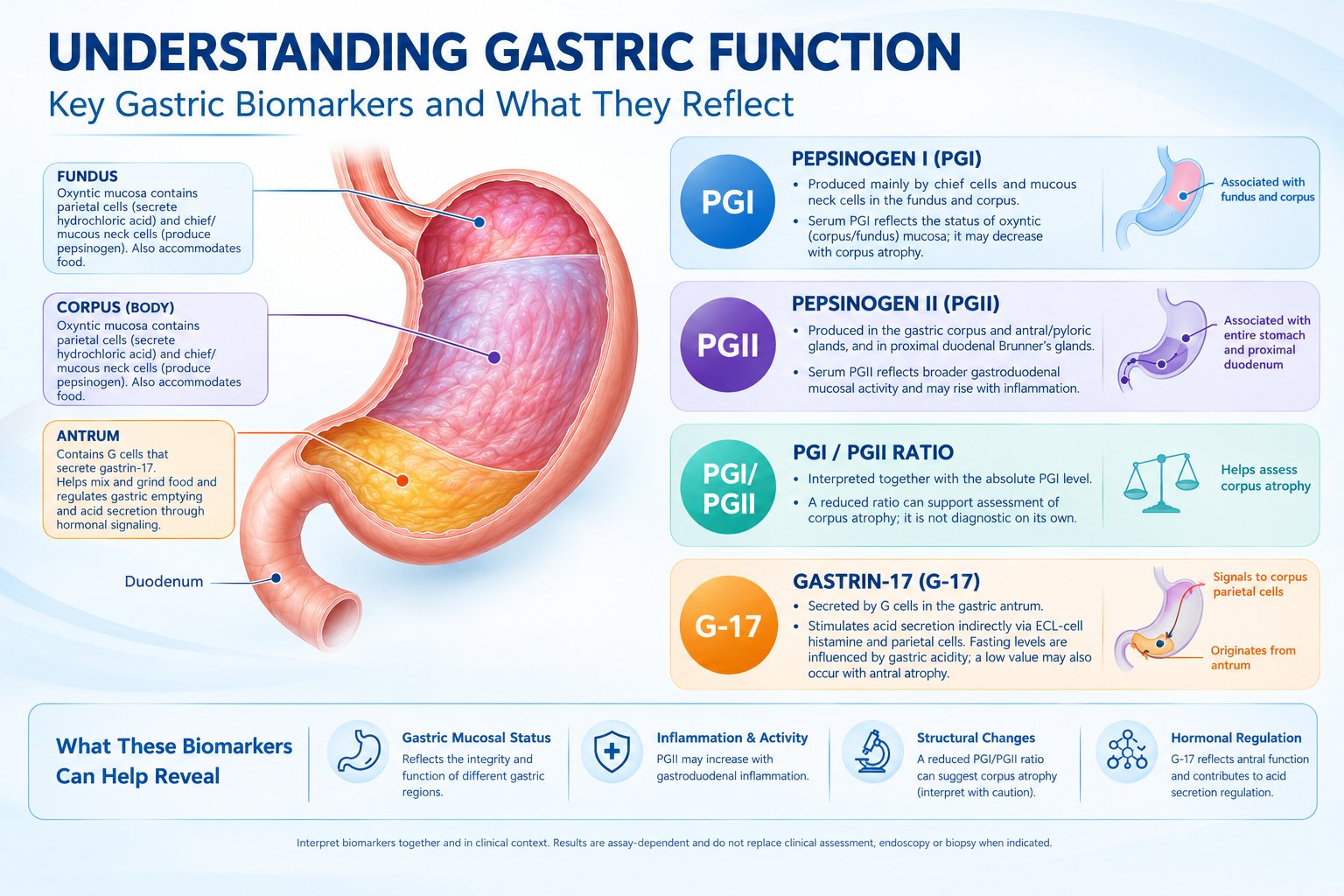
🔵 Pepsinogen I (PGI): Produced primarily by chief and mucous neck cells in the fundic gland mucosa. It directly reflects the status of the oxyntic mucosa. A decrease in PGI is a key indicator of corpus atrophy.
Pepsinogen II (PGII): Secreted more broadly across the gastric corpus, antrum, and proximal duodenum. Because of its wide distribution, serum PGII reflects broader gastroduodenal mucosal activity and often rises during inflammation (e.g., H. pylori infection).
⚖️ PGI / PGII Ratio: This is a highly valuable metric. A reduced PGI/PGII ratio is widely used to help assess corpus atrophy. However, it should always be interpreted alongside absolute values of PGI and is not diagnostic on its own.
Gastrin-17 (G-17): Secreted by G cells in the gastric antrum, G-17 signals the corpus parietal cells to stimulate acid secretion. Fasting levels are significantly influenced by gastric acidity via a negative feedback loop. Crucially, G-17 levels may drop in antral atrophy, but they often show a compensatory rise in corpus atrophy due to low acid production.
💡 Why it matters:
Combining these biomarkers—along with clinical context—helps us evaluate gastric mucosal integrity, detect inflammation, identify structural changes (like atrophy) without an immediate need for invasive endoscopy.
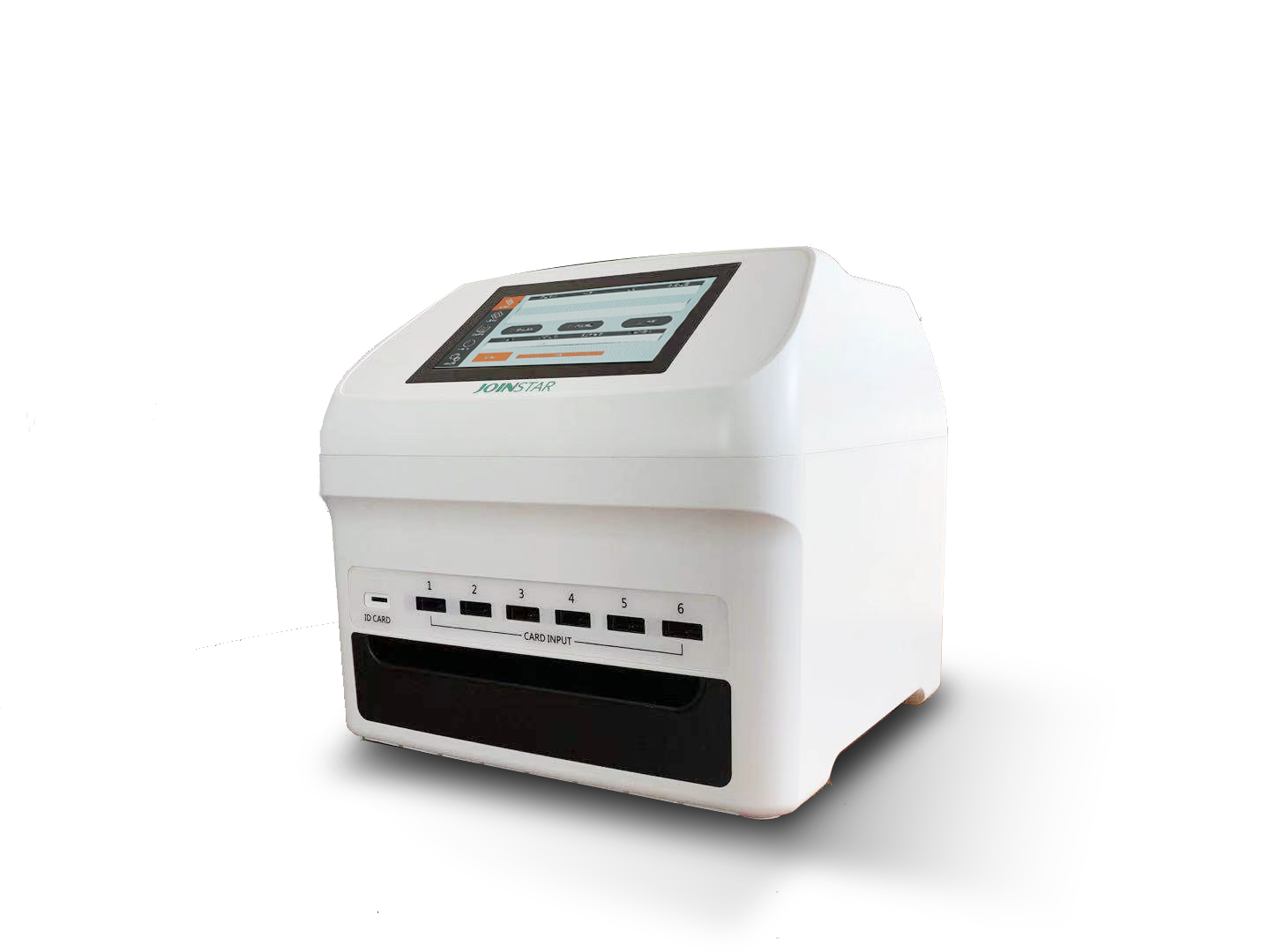
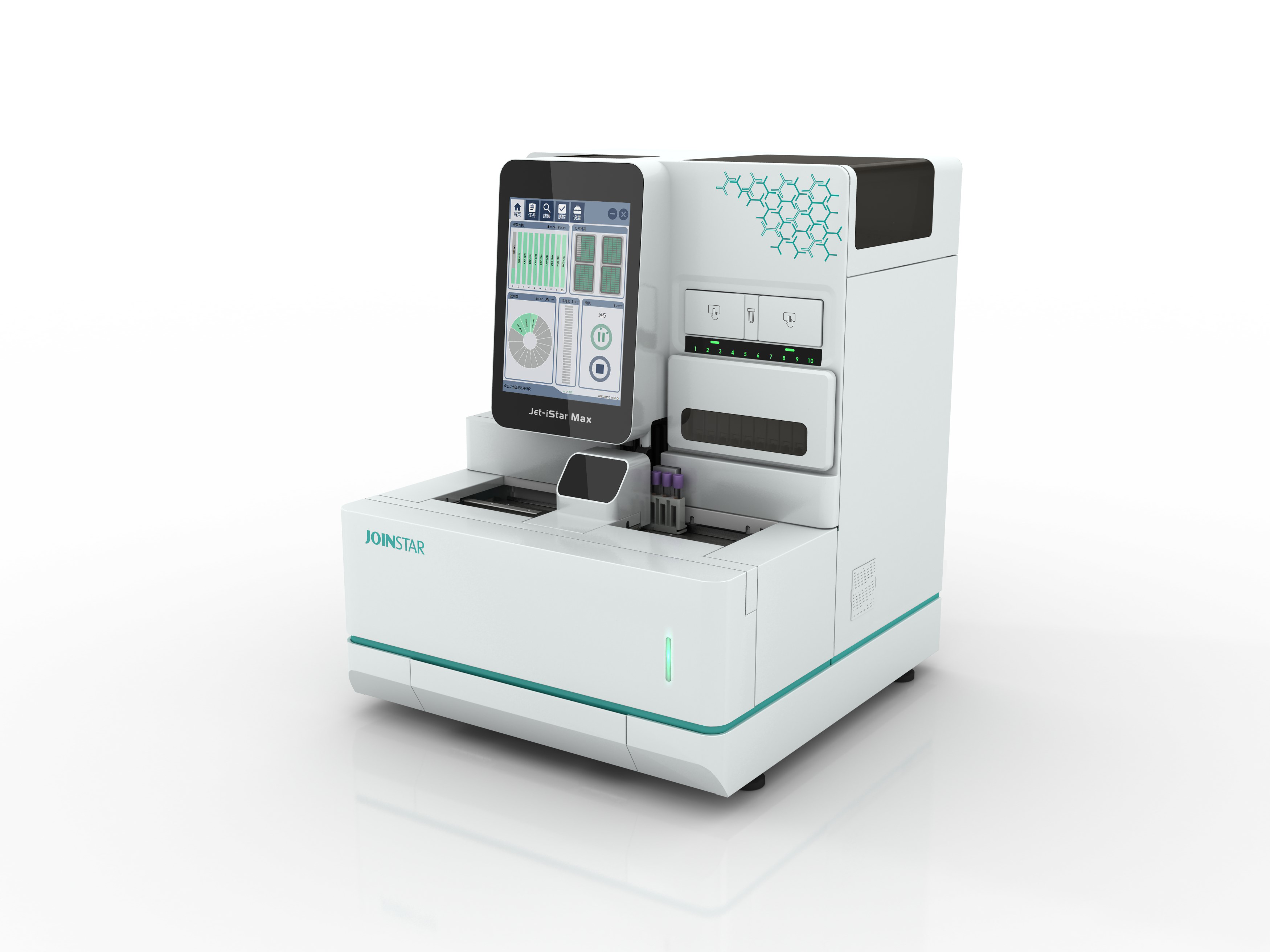
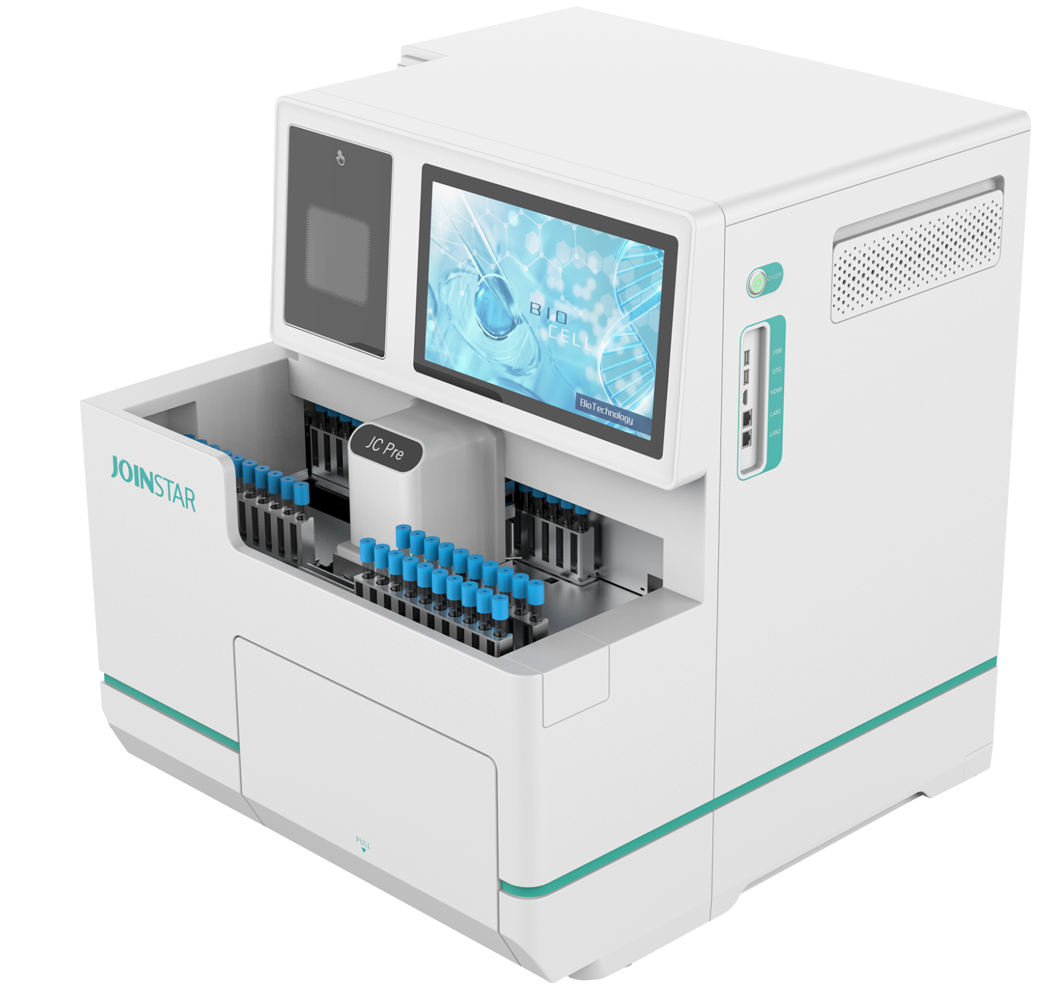
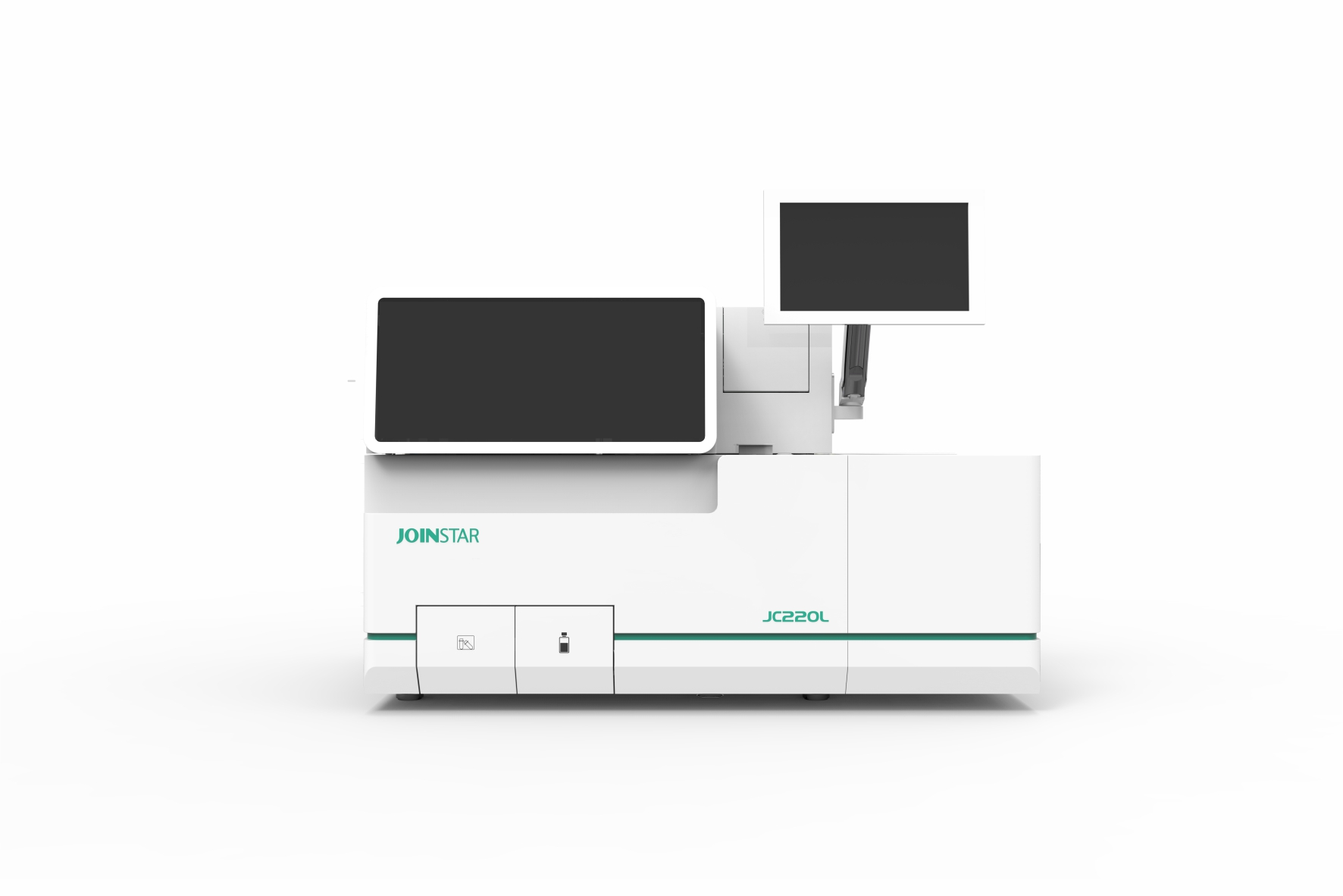
Joinstar has launched PGI/PGII and G17 assays on its Jet-iStar rapid diagnostic platform with Fluorescence Dry Quantitative Immunoassay method. The platform boasts advantages such as precise quantification, speed and convenience, as well as wide applicability, perfectly meeting the needs of long-term monitoring of gastric function. The JC chemiluminescence platform will soon launch these three gastric function tests; stay tuned!